
弁護士の業務
弁護士は依頼者の味方
裁判官や検察官と異なり、弁護士はその弁護士に依頼した人の味方になります。それはとても頼もしいことです。なぜなら法的に争いとなっているときに、とても頭の良い弁護士が味方でいてくれるのは、相談相手としてももちろん安心ですし実際の法的な争いや裁判などでは言葉にならないほど頼もしい存在となることでしょう。

弁護士が受けてくれる業務は、とくに決まっているわけではなく、時代とともに新規に開拓される場合もあるようです。例えば最近話題の退職代行サービスなどは、昔はあったのか存じませんが、おそらく最近弁護士が取り扱い初めたのではないか、と思われます。法的に紛争性があったり、その予防であったりする場合が弁護士が活躍して頂ける場面であることが多い気がします。
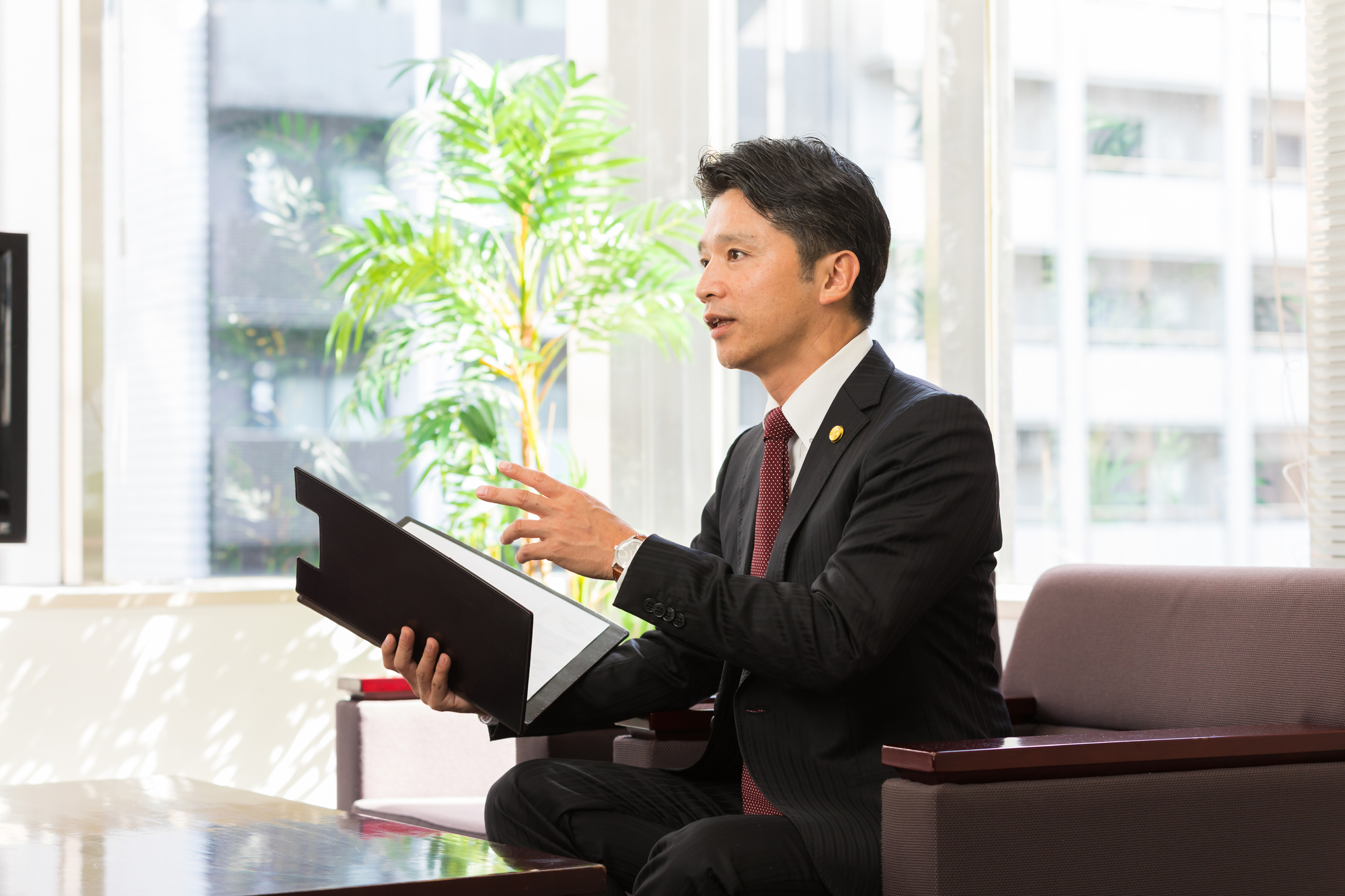
企業買収の際の法務デューデリジェンスは弁護士が主に扱っていますし、裁判で代理人となるのは基本的には弁護士でしょう。知的な部分はもちろん弁護士は極めて優れており、また裁判などでの法的なロジックの組み立てと、勝つための戦略立案なども非常に頼りがいがあるのも弁護士です。
将来的な紛争の予防だけでなく、過去に起きた法的なトラブルの解決もぜひ相談したいところです。例えばB型肝炎ウイルスに集団予防接種で感染していた場合、弁護士に相談すれば訴訟をすることで金銭を受け取ることができるらしいですし、借金をして過払い金が発生している場合や、残業代の請求などでも弁護士が味方になってくれるでしょう。
また一般人にとって深刻なのが交通事故の被害です。交通事故は実はとても一般人の被害者に不利な賠償の仕組みが出来上がっています(実績のある交通事故被害者側専門の弁護士が書いた「ブラックトライアングル」)。加害者側の保険会社の担当者は一年中被害者とのやりとり(交渉?)をしている、いわば交通事故賠償(加害者側)のプロです。一方、被害者側はそんなに人生で何度も交通事故の被害にはあわないことを考えますと、交通事故の賠償に限っていえば言わば素人、アマチュアです。

でも示談や賠償は刻一刻と進んでいきます。治療に病院に通い、仕事も休めず、不安な日々をおくるなかで、もし弁護士が味方になってくれたらどれだけ心強いでしょう。
弁護士は依頼者の味方になってくれます。こんなに頼もしい存在がいることはとても幸せではないでしょうか。ぜひ気軽に弁護士に色々と相談して、依頼すべきことがあればどんどん依頼するのが良いのではないかと思います。
遺言書の作成は弁護士に
将来のことを考えて元気なうちに早めに遺言書を書いておく人が増えています。
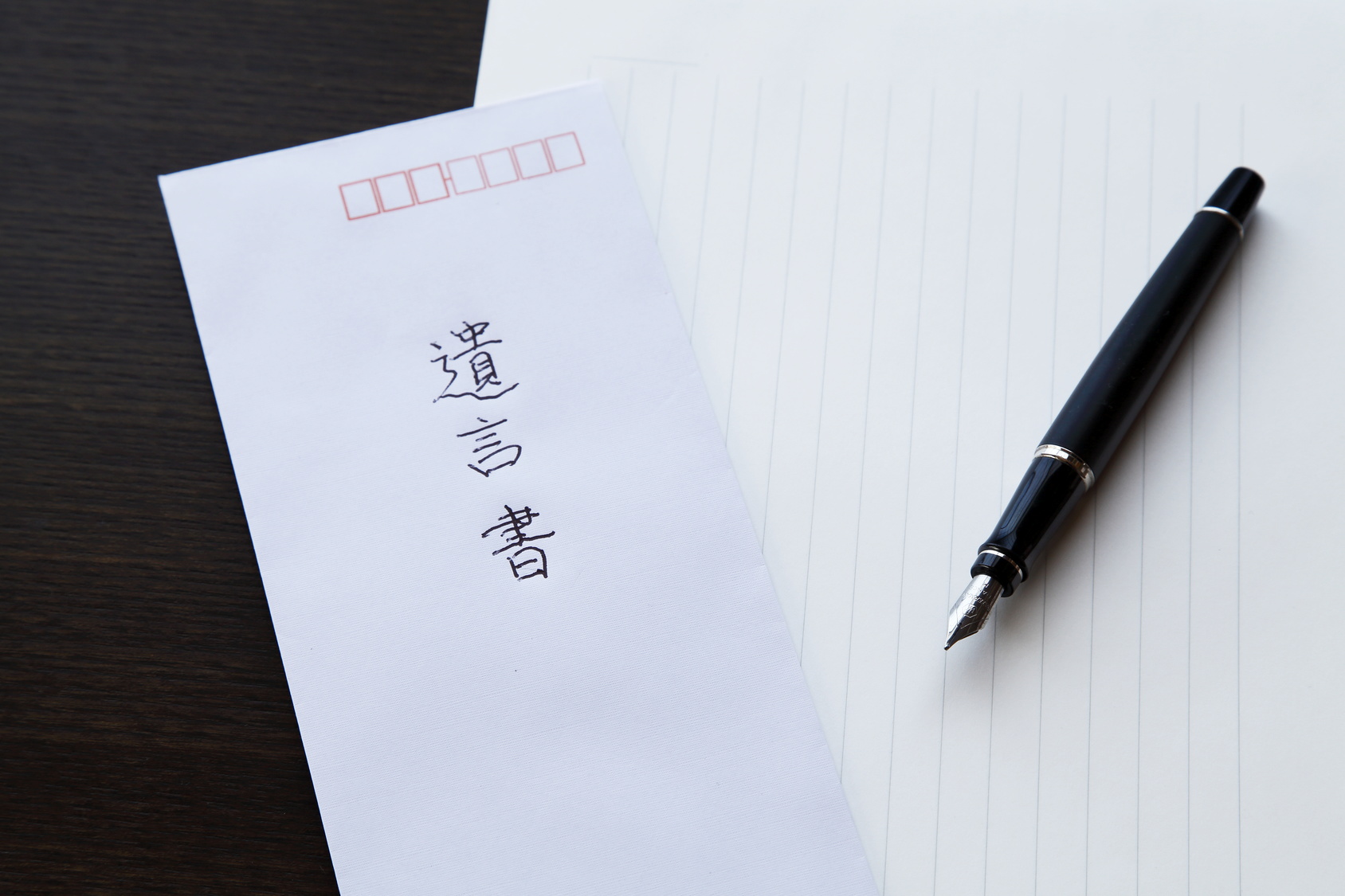
一般的な遺言書には大きく分けて、公正証書遺言と自筆証書遺言があります。このうちまず自筆証書遺言は、特に何かの事前手続きも要らず自分が書きたくなった時にいつでも自由に書いておくことができます。
書いたことを誰かに宣言しなくてはならないこともないので、書いたことを秘密にしておけます。こうでなければならないという形式はありますが筆記用具などは決まりがなく、極端に言いますと紙とペンがあればすぐに書けます。
とても便利なようですが、しかしこの自筆証書遺言には逆にいろいろデメリットもあります。例えば日付など一定の様式がありちょっとでも要件を満たしていないと、その遺言の内容全体が無効になってしまいます。
書いたものを見えるところには置いておかず、どこか奥にしまいこんでおくわけですが、それでは相続が始まる時に家族が見つけ出すことができず、わからないままになってしまいがちで、もし仮りに何十年も経ってから見つかったりしたら、かえって大変です。
そもそも本人がどこにしまったかわからなくなってしまいかねません。また特に心配なのが誰かに書き換えられるリスクです。遺産を受け取る資格のある人に替えられてしまう可能性は捨てきれません。
このように遺言書を自分で作ると不安が多いですが、そこで安心なのがもう一方の公正証書遺言です。
これは公証人役場に行き公証人に作成してもらうもので、これでしたら様式を間違うことがありませんし、原本はそのまま公証人役場に保管されますから紛失する心配がありませんし、自筆の場合は相続開始にあたって家庭裁判所で検認という手続きが必要なのですが、それも必要ありません。
ですから公正証書遺言を作るのがお勧めです。
作成には証人二人の立ち合いが必要ですが、その際安心なのが弁護士に依頼することです。弁護士と話し合いながら内容を作れば完璧ですし、もし仮りに今後相続で問題が起きた時にも相談ができます。
自転車通勤は労災保険が使えない?
自転車で通勤中に交通事故に遭っても、労災保険が使える可能性は高いです。会社では電車通勤している扱いになっていて、それで自転車通勤していた場合でも、労災保険は使えるでしょう。
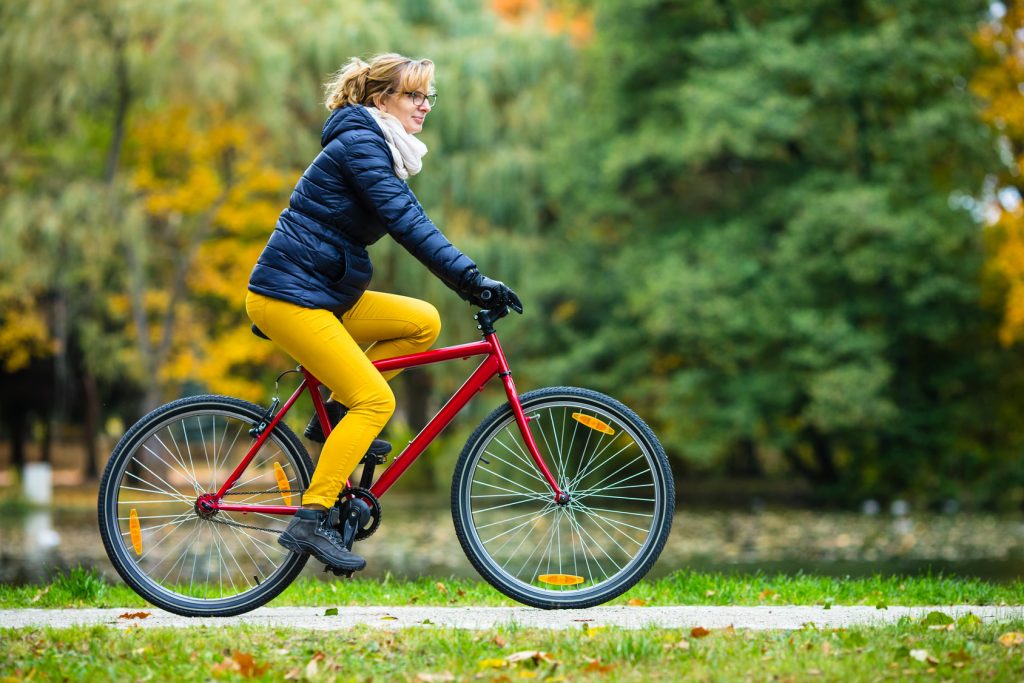
ただ、交通事故の加害者側が車であった場合は、自賠責保険が使えます。被害者の過失が7割を超えないなら、自賠責保険を使っても何の支障もありません。加害者の車が盗難車であった場合などは別ですが、そうでない場合は、敢えて労災保険にこだわる必要はないでしょう。相手が自転車であった場合、もしくは自損事故であった場合は、労災保険を申請します。
労災保険は、通勤中の事故にも使えます。会社にどういう通勤手段を申告していたかは、別の問題になります。会社に申告した通勤方法に限って労災保険を適用するという決まりにはなっていないので、たとえ会社側が自転車通勤を禁止している場合でも、労災保険は使えるでしょう。通勤方法が大きな危険を伴うものでなく、合理的な方法であれば、問題はありません。
例えば、川をボートで、などという方法で通勤しようとするのは、合理的な方法とは言えません。自転車で通常の道路を利用して通勤するのであれば、合理的な通勤方法と言えます。
離婚するときの別居で知っておきたいこと
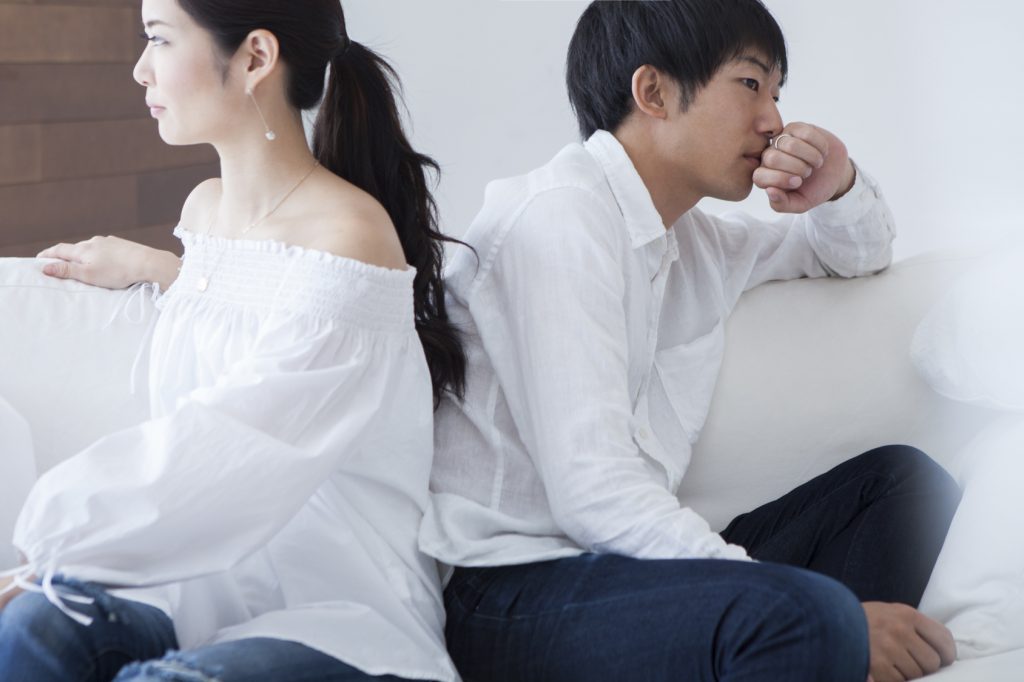
どうしても離婚が避けられないことがあります。ここでは、離婚するときの別居をする際に知っておきたいことがあります。
離婚する夫婦の多くが、届けを出す前に別居をしています。
昨日まで仲良く同居していた夫婦が突然別れるということは考えづらいですから、当然のことと言えるでしょう。
戸籍上赤の他人に戻るということは、大変な決断を伴います。子供のいる夫婦なら尚更です。
勢いで判を押してしまうようなことは滅多にありませんから、離れて暮らしてみて、決断するケースが多いようです。
夫であっても妻であっても、離婚前提の別居をする際にはいくつか知っておきたいことがあります。
既に冷め切った夫婦関係で話し合いは困難かもしれませんが、いざ婚姻を解消する時に不利にならないよう、最低限の知識は持っておくべきです。
相手の同意
まず、夫婦には同居義務があり、相手の同意なく一方的に家を出て行くと、同居義務違反になります。
単身赴任などでやむなく別々に暮らす場合は別として、正当な理由が要ります。
正当な理由とは、相手が不貞行為をはたらいた、生活費を入れない、暴力を振るうなどです。
誰が聞いても、家を出るやむを得ない理由、と思えるようなら、相手の同意なく別居しても問題ないでしょう。
暴力を振るう相手と離婚するとなった場合、相手は少しでも自分を有利にしようと、同居義務違反を責めてくることが予想されます。
暴力の証拠を残した上で、メールなどで家を出るメッセージを残しておきましょう。
そうすると、一方的な別居だと言われるリスクを減らすことができます。
別居後の費用
そして、別居後の生活費などの費用や新しい住まいのことも忘れてはなりません。
勢いで家を出たものの、実家にはいつまでもいられない、という場合は、準備が不可欠です。
相手の方が収入が多い場合、離れて暮らしていても生活費をもらう権利がありますので、婚姻費用の請求準備もしておきましょう。

離婚とお金の問題
婚姻費用の請求もそうですが、離婚でトラブルを抱えている場合は弁護士に相談するのがおすすめです。
交通事故の多い県はどこ?
交通事故がまだ多い現実ですが、日本で交通事故が多い県はどこでしょう。
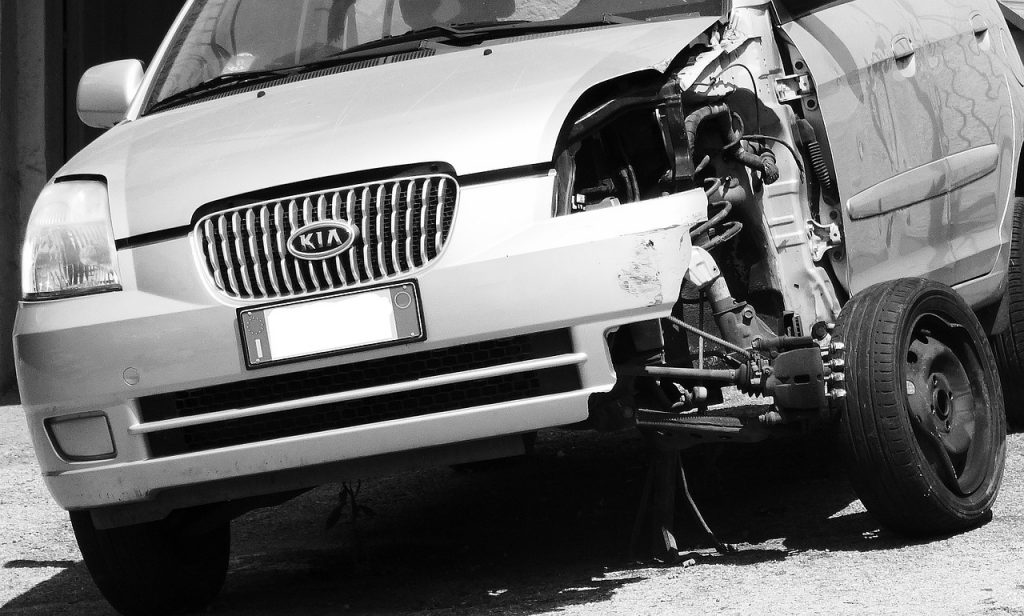
交通事故の多い県
交通事故の件数による統計には2種類あり、絶対的な発生件数と人口10万人当たりの発生数があります。
絶対数で交通事故の多い県は、愛知県(特に名古屋)、大阪府が毎年ワースト1、2位になっています。次いで東京都と福岡県が3位を争っています。
この順番は数十年変わっておらず、愛知県や大阪府では今でも年間4万件以上の交通事故が起こっています。
これはあくまでも警察を呼んで処理した数の合計で、報告されずに終わったごく軽い事故やその場で示談が成立した事故を含めるとその数はさらに多くなります。
多い理由は簡単で、走っている車や歩いている人の数が多いからです。
ここまでに紹介した4つの都府県はいずれも人口が多い、いわゆる大都市圏と言われる場所です。
東京都の10万人当たりの事故発生数をみると…
絶対数で交通事故の多い東京都でしたが、人口10万人当たりの事故発生件数は全都道府県の中で1番少なくなります。
東京都は全体の中で市街地が多く道路の整備がしっかりした場所が多く、交通安全の意識も高い都道府県です。
しかし1000万人以上の人口を抱えていることから、合計ではワースト3位となります。
人口10万当たりの交通事故発生件数の多い県
次に、人口10万人当たりの交通事故発生件数は香川県、佐賀県、静岡県が多く、特に香川県がワーストになる事が多いです。
香川県は10万人当たりの死者数でもダントツでトップを取っており、交通事故による被害が最も多い県ということになります。
香川県の交通事故が多い理由
何故香川県で事故が多いのでしょうか?
理由として考えられるデータは大きい道路が多いとか、人口当たりの自動車普及率が高いなどありますが、香川県にはどれも当てはまらず、事故が多い具体的な理由はわかっていません。
ちなみに佐賀県にも物理的な特徴はなく、静岡県は富士山を見ながら運転するので軽い追突事故が多いと言われますが真偽の程は定かではありません。
しかし香川県を県民性から分析してみますと少し理由が見えてきます。香川県人の性格として、競争心がありせっかち、そして要領が良いという特徴があるようで、優秀な人材を輩出するのにはもってこいの県民性ですが、これは事故が増えそうです。
交通マナーに関しては、あるアンケートによると信号無視が多い、ウインカーを出さずに右左折をする、踏切での一旦停止率が低いという特徴があるようです。
実際のところはどの都道府県を走る場合でも、よく知らない道や遠出をする時は十分に注意をし、交通ルールやマナーをきっちり守って運転しないといけないです。おそらく多くの人にとって香川県や佐賀県は長距離ドライブになるでしょうから。
交通事故にあったら
交通事故にあったら、交通事故 弁護士に相談した方がいいのを知っていましたか?
弁護士に相談すると賠償金が上がる可能性があり、骨折した場合数百万上がることもあります。
交通事故の被害者は、被った損害について相手に損害賠償請求ができます。
請求できる内容は、医療費や物損関連の費用、減ってしまう収入など幅広く複雑です。そして、忘れてならないのが被害者が受ける精神面の苦痛に対する賠償金である慰謝料です。
実費が基本の医療費や物損の修理代・購入代金などに対して、慰謝料では精神面の苦痛なので個人差が大きいという難しい点があります。そのため、不公平感を極力なくすように計算基準が作られています。
しかし、交通事故の慰謝料の計算基準はひとつではなく、自賠責基準・任意保険基準・裁判基準と3つあります。
どの基準を使うかで慰謝料額はずいぶん変わり、自賠責基準は最も安く、裁判基準を使えば慰謝料は最も高く算出されます。
慰謝料を含め、被害者がいくら賠償金を請求するかは、加害者と被害者の間で行われる示談交渉の話し合いで決めます。
この示談交渉では、加害者は自分の保険に付いている示談交渉代行サービスを使うので実質的には被害者vs加害者の保険会社という交渉です。
ここで、保険会社の立場は加害者が被害者に対して支払う賠償金を代わって支払う立場です。
よって示談金はできるだけ抑えたいところで、慰謝料についても保険会社は自賠責基準を用いて安く見積もってくる可能性があり要注意です。
被害者は、相手の保険会社から提示されて金額をしっかり見極めて正当な増額の交渉をしなくてはなりません。

とは言え、被害者に知識がないと示談交渉のプロである保険会社と話し合うのは現実には困難です。そこで、保険会社が提示する慰謝料など賠償金を増額するには、交通事故が得意な弁護士に相談して示談交渉の代理人になってもらうのがベストな方法です。交通事故が得意な弁護士なら、裁判基準で正当に再計算をして被害者の受け取る賠償金増額のために尽力してくれるはずです。
相続には優先順位があります
相続には優先順位というものが存在します。それに関連してですが、故人の遺産を相続するにあたり、法的に対象となる方を「法定相続人」と呼びます。
例えば、故人が夫(妻)の場合、法定相続人は妻(夫)、子供、兄弟姉妹の順となります。
最優先は、配偶者である妻(夫)であり、子供が一人なら2分の1となります。
子供がいない場合は、配偶者が3分の2を相続します。
このような感じですが、配偶者がいない場合は、子供が最優先となり、子供内では兄弟姉妹という具合に優先順位が移っていきます。
その際、気をつけたいのは子供や兄弟姉妹の配偶者はその対象には入りません。
なぜなら、故人から見て血縁関係が全くありませんから。

ただし、故人が公式の遺言書を弁護士等に依頼して作成していた場合などは状況が変わっています。
(その場合は、法的に有効か否かで変わってきます。)
というような感じですので、相続には優先順位が存在します。
ところが、金等が大好きな私たちですから、法定相続人でもないのに、突然「遺産を分配してもらう権利」があるとか勝手なことを言い出すものです。
ひどい場合は、裁判沙汰となり、大変面倒なことにもなります。(大都市圏の金持ちの家ほどそんな問題が起きやすいとか。)
そういう面倒なことにならないよう、
「相続には優先順位がある」
「法定相続人は配偶者と子供がまず上位に来る」
という2点をよくよく抑えておきましょう。それだけで後々困らなくて済みます。ただ、借金しか残っていない場合や、疎遠でちょっと関わりたくないな、という場合は相続放棄弁護士に相続放棄を依頼するという方法もあります。自分で相続放棄をすることもできますが、総合的な法律判断となりますので、弁護士が安心でしょう。
遺産相続で弁護士に相談したいとき